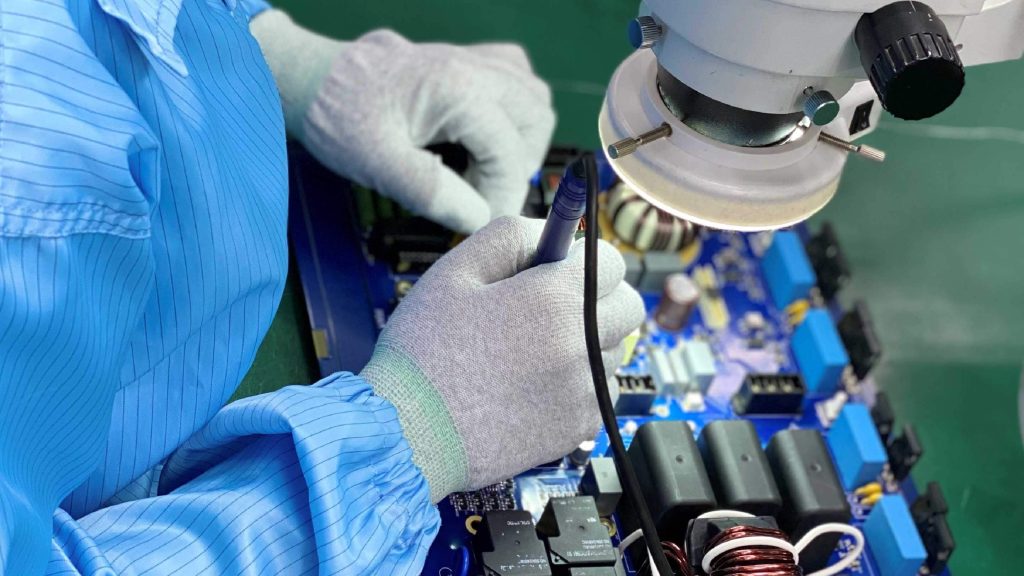
Design for Manufacturability (DFM) is the method engineers use to build quality into a product from the start. In the medical device world, DFM prevents delays, lowers cost, improves safety, and helps meet strict industry standards. Below is a detailed FAQ that breaks down how DFM protects quality in tangible, practical ways, including considerations for High-Level Assembly (HLA) devices.
What Is Design for Manufacturability in Medical Devices?
Design for Manufacturability (DFM) is an engineering approach that ensures a product can enter production without unexpected complications. The goal is to provide the design supports consistent, reliable manufacturing processes. During DFM, engineers look closely at every part of the build, from PCBA layout and component choices to mechanical stack-ups, tolerances, materials, and assembly techniques, to verify that each element matches what can realistically be produced on the factory floor.
On the mechanical side, DFM assesses enclosure fit, fastening methods, tolerance accumulation, material compatibility, manufacturability of machined or molded parts, and ergonomic assembly considerations. The process also evaluates tooling and fixturing needs.
For PCBA
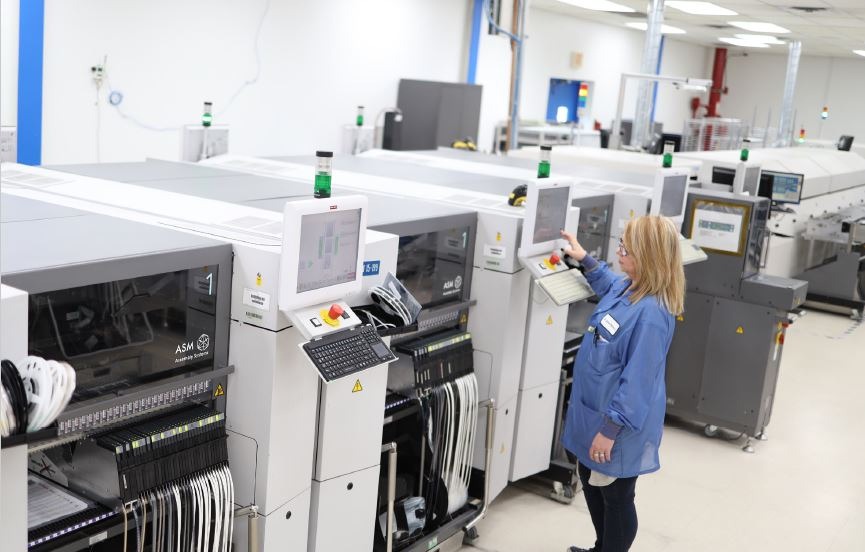
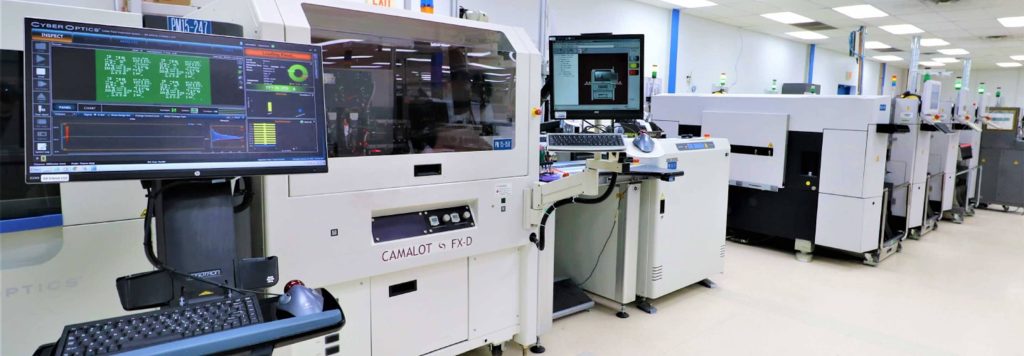
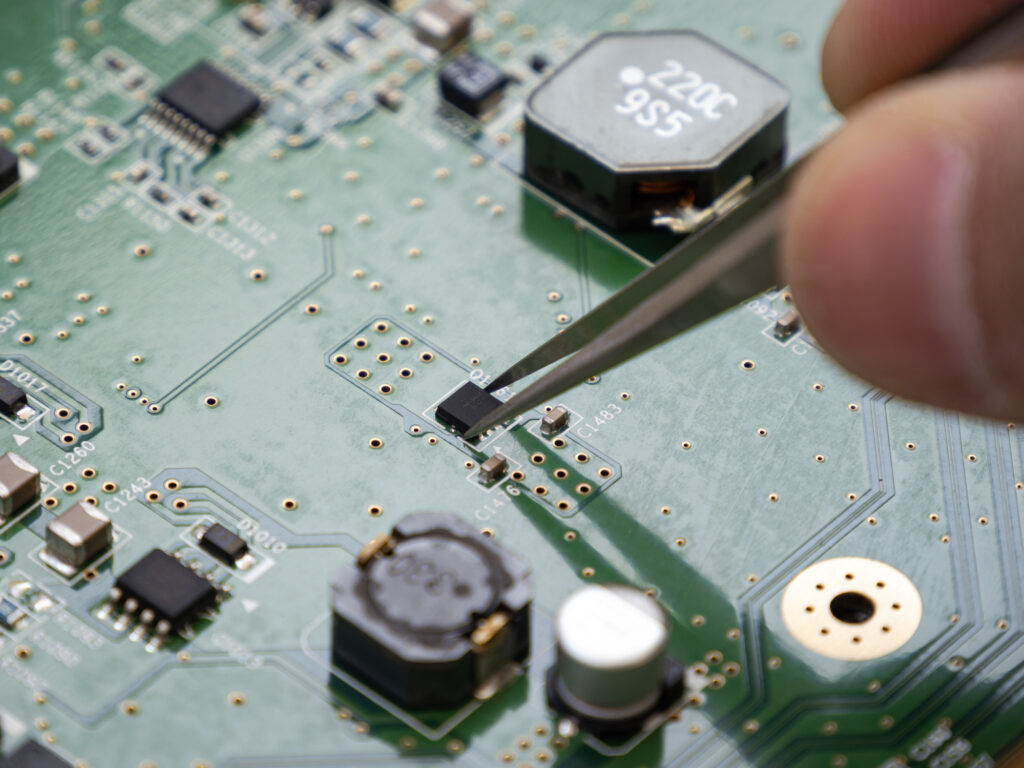
As part of this review, teams examine details such as solder joint shapes, pad dimensions, trace and spacing rules, via design, thermal relief areas, and component placement density. By working through these elements early, DFM helps ensure strong SMT performance and reduces the chance of manufacturability issues appearing later in the process. Custom nests, wave pallets, press-fit fixtures, and automation requirements are also evaluated to eliminate bottlenecks and ensure consistent process control.
High-Level Assembly Considerations for Medical Devices
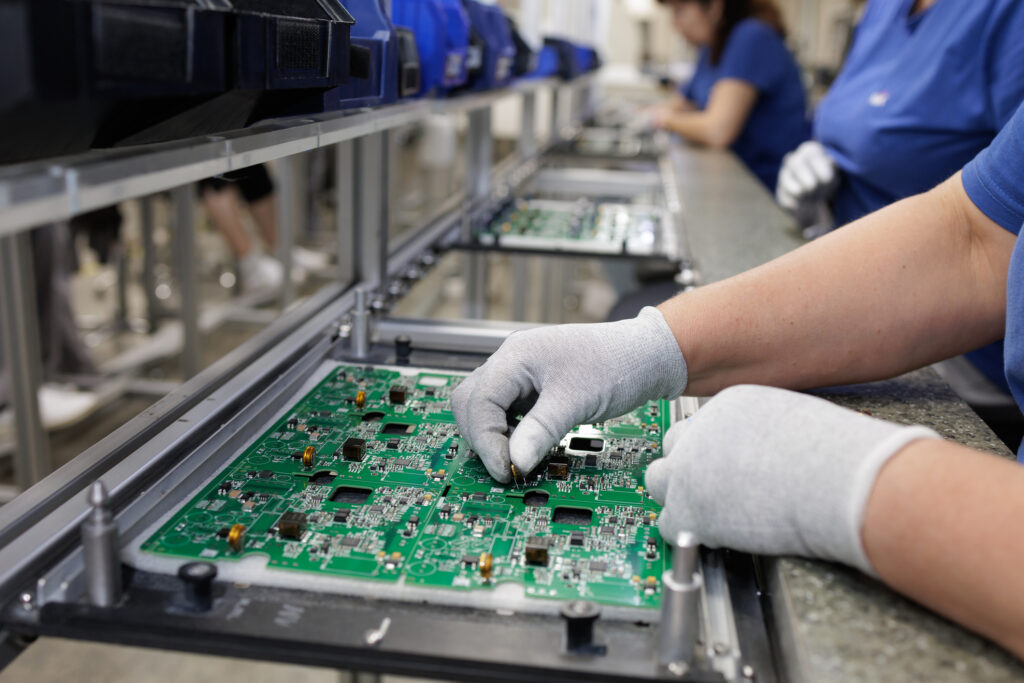
For high-level assembly (HLA) medical devices, such as imaging systems, surgical instruments, or patient monitors, the design for manufacturability needs to extend beyond PCBAs and basic subassemblies. These devices are more complex, so engineers must plan carefully to ensure they can be assembled reliably, tested effectively, and maintained efficiently.
When working on HLA devices, engineers consider several essential factors:
- Assembly Fixtures: Does the assembly require special fixtures or jigs to hold parts in place? Proper fixtures help ensure assembly is more consistent and reduce the risk of errors.
- Early Testing of Sub-Assemblies: Can sub-assemblies be tested before the final build? Catching issues early saves time, reduces waste, and prevents production delays.
- Operator Access and Ergonomics: Can technicians comfortably reach all components and use the necessary tools? Ensuring good access helps maintain repeatable, safe assembly practices.
- Controlled Operations: Are specific steps, like gluing or aligning components, sensitive enough to require more precise control? DFM accounts for factors such as drying times, orientation, and operator repeatability.
- Minimizing Contamination: Are parts sensitive to debris, dust, or other contaminants? The assembly process can be designed to reduce these risks.
- Design for Service: Are wear components accessible, and can units be serviced efficiently? DFM ensures that devices are maintainable without compromising reliability or performance.
By addressing these considerations during the design phase, engineers can ensure HLA medical devices are easier to assemble, safer, more reliable, and simpler to maintain throughout their lifecycle.
Why Does DFM Matter Before Production Starts?
DFM uncovers mechanical stress points in housings, fasteners, and interfaces, where tolerance stackup, material selection, or environmental loading (vibration, shock, flexure) could lead to field failures.
DFM reduces product and production risk in HLA by identifying weaknesses early in the design cycle. By analyzing the electrical, mechanical, and manufacturing requirements, including HLA-specific challenges, DFM identifies issues that could compromise yield, reliability, or quality once a design enters production.
For PCBA, this includes identifying components with extended lead times or supply-chain volatility, parts requiring precise thermal management due to power dissipation or heat-sensitive materials, and complex solder joints such as fine-pitch BGAs, bottom-terminated components, or high-mass connectors that may challenge solder wetting or thermal profiles.
On the line-flow side, DFM flags assembly steps that introduce variability or inefficiency, such as multi-step mechanical alignments, manual rework loops, or operations that require specialized tooling, fixturing, or operator skill. By addressing these risks upfront, DFM minimizes downstream defects, reduces cycle time, improves manufacturability, and ensures a more stable, predictable production launch.
Addressing these risks upfront, DFM minimizes downstream defects, reduces cycle time, improves manufacturability, and ensures a more stable, predictable production launch.
How Does DFM Improve Device Reliability and Safety?
DFM forces engineers to refine heat paths and minimize solder joint stress in PCBA by carefully selecting materials, optimizing component placement, and designing thermal reliefs that promote even heat distribution during soldering. These considerations reduce thermal cycling fatigue, improve manufacturability, and help ensure the assembled board’s long-term reliability.
When designing for HLA, it’s essential to avoid unnecessarily tight tolerances, carefully evaluate load-bearing features, and verify that materials can withstand sterilization, routine cleaning, and drop testing. Incorporating HLA principles also improves reliability by validating sub-assemblies early, ensuring assembly steps are consistent and repeatable, and providing operators with clear access to all areas during the build process. Together, these practices help safeguard patient safety and maintain dependable device performance.
What Design Areas Benefit Most From DFM?
Key focus areas include proper component spacing to allow for inspection and rework, thoughtful PCBA trace routing to maintain signal integrity, and copper balancing and thermal relief to support consistent soldering and heat dissipation. Equal attention should be given to accurate mating connector alignment, appropriate cable bend radius, and overall layout coordination to prevent assembly issues, reduce mechanical stress, and improve long-term reliability.
Key mechanical considerations include snap-fit strength, proper assembly torque values, defined adhesive cure windows, and the ability to apply coatings without obstruction. For high-level assembly (HLA) medical devices, the focus expands to fixture requirements, clear operator access for tools and assembly steps, and early sub-assembly testing. It also includes controlled processes for adhesives or sensitive components, effective debris management for optical or precision parts, and thoughtful serviceability so that wear components remain easy to access and maintain throughout the device’s life.
How Do DFM Teams Work With Engineering?
Manufacturing engineers run technical reviews of drawings, BOMs, step models, and Gerber files. They cover solder accessibility, test-point reach, fixture requirements, tool clearance, how parts flow through SMT, selective soldering, conformal coating, and final assembly.
What Are Common DFM Problems in Medical Devices?
Common issues include blind vias that trap flux, components with insufficient thermal relief, connectors that interfere with test probes, over-specified tolerances that increase machining costs, materials that warp during reflow, and assemblies that block sensor access.
How Does DFM Support FDA and ISO Requirements?
DFM supports ISO 13485 and FDA expectations by creating stable, repeatable processes. It strengthens validation plans, eliminates uncontrolled variation, and ensures that documentation matches the actual build steps.
How Does a Contract Manufacturer Use DFM?
Companies like Spartronics run full DFM and DFX reviews that include:
- SMT analysis for stencil thickness, component pitch, thermal balance, and solder joint geometry
- DFT reviews for probe access, ICT limits, and functional test coverage
- Mechanical DFM for tolerance stackups, part alignment, screw torque, and assembly order
- Material reviews for polymer compatibility, sterilization resistance, and biocompatibility needs
- Fixture design for stable assembly, solder support, and repeatable test alignment
- Risk assessment using FMEA to find weak points before validation
They apply these steps to complex devices like imaging systems, patient monitors, diagnostic tools, and surgical electronics.
How Does DFM Help Control Cost Without Cutting Quality?
DFM removes unnecessary features, reduces part count, simplifies tooling, improves throughput, and reduces scrap from hard-to-build assemblies. By considering HLA factors – like fixtures, repeatable operations, and sub-assembly testing – manufacturers can further reduce costly rework and scrap. It also helps secure alternative components when supply issues arise, maintaining quality while controlling costs.
Design for Manufacturability is a key step in building reliable medical devices. It helps engineers design products that assemble cleanly, pass testing with fewer defects, withstand real-world use, and meet ISO and FDA expectations. A strong DFM process leads to safer devices and smoother production.
If you’re ready to bring a dependable medical device to market, partnering with a team that prioritizes quality from the beginning is essential. Discover how our engineering and manufacturing experts can guide your project from initial design and validation through full production.