Drones are becoming a practical tool for businesses, not just for hobbyists or the military. Today, companies use drones to inspect hard-to-reach areas, monitor large properties, enhance safety and security, track construction progress, and respond more quickly when issues arise.
Across industries such as energy, commercial aerospace, defense, public safety, industrial facilities, construction, logistics, and large campus environments, drones are helping organizations work faster, safer, and with better information. Instead of sending people into hard-to-reach or potentially hazardous areas first, companies can use drones to capture aerial images, video, thermal data, and other insights that support smarter decision-making.
As the commercial drone market grows, the technology behind these systems is becoming more complex. Drone manufacturers need reliable electronics, sensors, power systems, communications hardware, and ruggedized assemblies that can perform in demanding environments. That is where experienced electronics manufacturing partners can play an important role. Navigation,
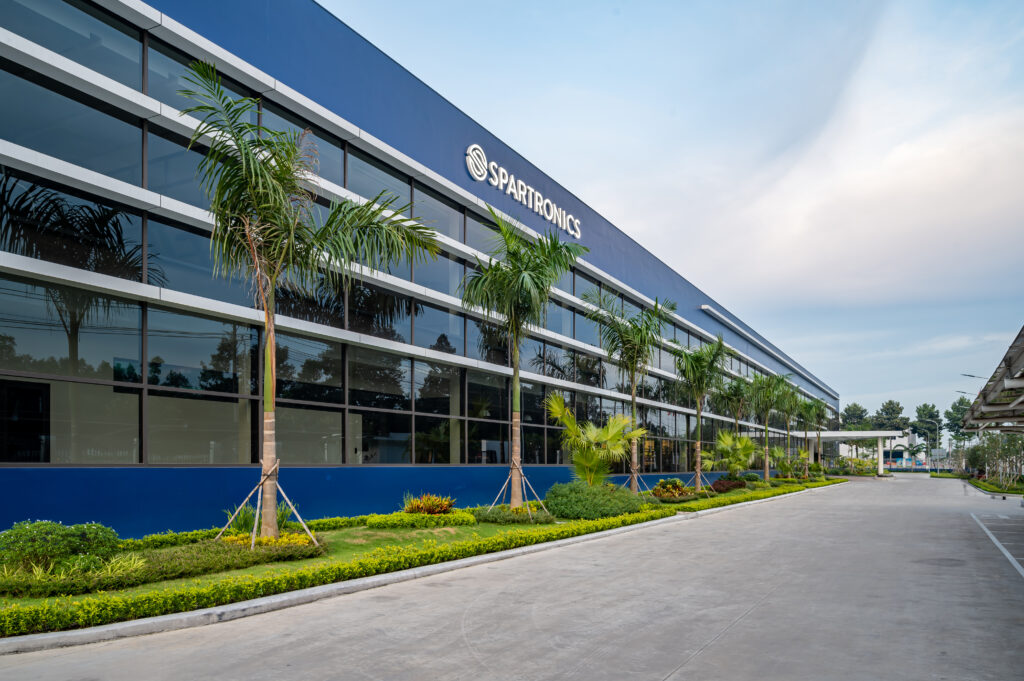
The Role of Spartronics in the Commercial Drone Sector
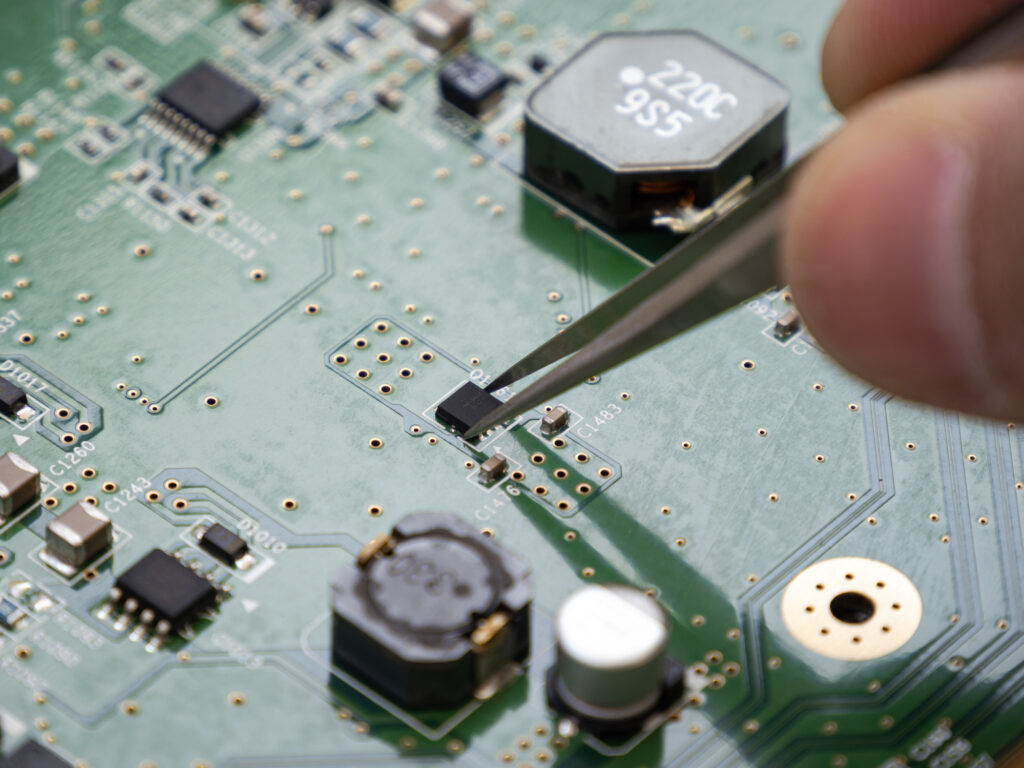
The technology inside a commercial drone is just as important as the equipment on the outside. Reliable electronic systems help drones fly safely, stay connected, manage power, capture images, and collect the data businesses need.
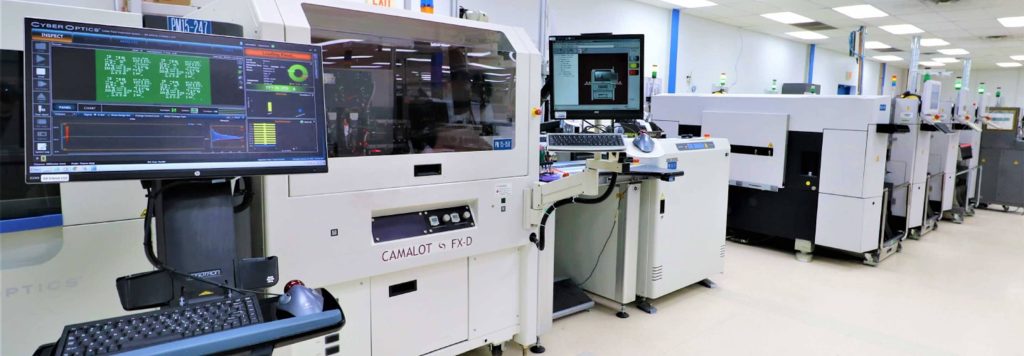
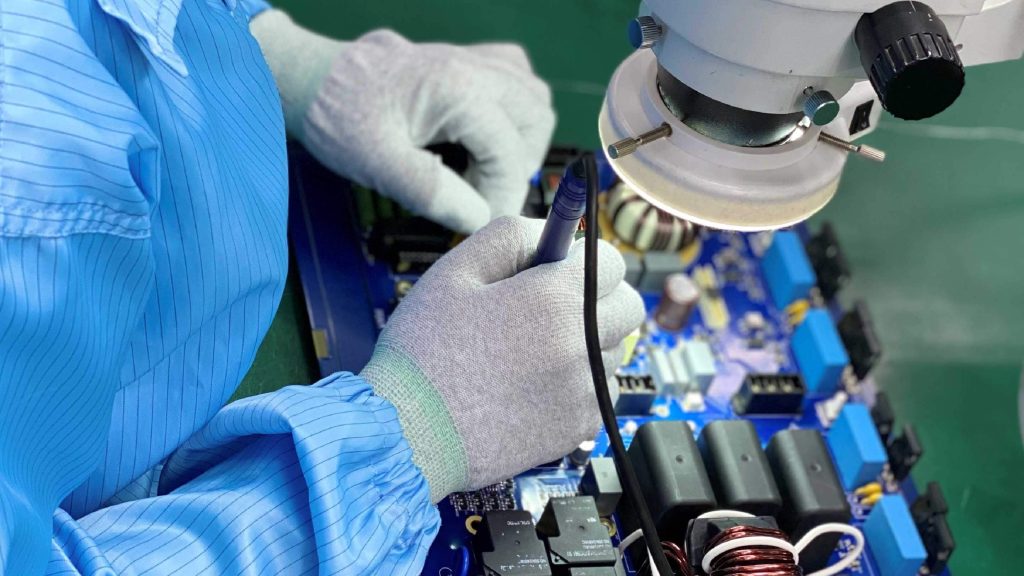
Spartronics supports companies that build highly regulated, mission-critical products and systems. With experience across commercial aerospace, defense, space, instrumentation and control, and other complex markets, Spartronics is well-positioned to support OEMs developing advanced drone and unmanned systems technologies. Spartronics provides contract manufacturing, complex assembly, engineering support, manufacturing readiness, quality systems, logistics, and aftermarket solutions to help drone manufacturers move from prototype to production with greater confidence.
For commercial drone companies, having the right manufacturing partner can make a big difference. Drones need to be lightweight, durable, reliable, and consistent from one build to the next. They also have to operate in harsh outdoor conditions and integrate multiple technologies into a single, compact system. Spartronics’ experience with complex electronics manufacturing can help drone OEMs reduce risk, improve quality, and build products that perform over time—nimble agility to respond to fast-changing market conditions and the need to ramp volumes quickly.
Why Are More Businesses Using Commercial Drones?
More businesses are using drones because they can reach places that are difficult, unsafe, expensive, or slow for workers to access. A drone can inspect a roof, tower, fence line, pipeline, bridge, solar farm, or industrial site without requiring a person to climb, walk long distances, or shut down operations.
Drones can also collect useful visual and sensor-based data from above. This gives teams a broader view of a property, worksite, or asset, helping them make decisions more quickly. For many organizations, drones are not replacing workers. They are giving workers better tools to do their jobs safely and efficiently.
Drones can deliver life-saving critical supplies during or shortly after disasters, especially in unstable environments where ground access may be unsafe or limited. This ability to move quickly and safely is especially important during or shortly after disasters, when conditions on the ground can be unstable or dangerous. After events like hurricanes, floods, wildfires, earthquakes, or severe storms, roads may be blocked, bridges may be damaged, and emergency crews may not be able to reach certain areas right away. In these situations, drones can help assess damage, locate people in need, and deliver small but critical supplies, such as medicine, first-aid materials, communication devices, water-testing kits, and other life-saving items.
For businesses and emergency response teams, this can make a real difference. Instead of waiting for roads to clear or sending people into unsafe areas, drones can provide a faster way to understand what is happening and get urgent supplies where they are needed most. In unstable environments where every minute matters, drones offer a practical way to support response efforts while reducing risk to workers and responders.
How Are Drones Used for Inspections?
Commercial drones are widely used to inspect roofs, towers, pipelines, bridges, wind turbines, solar farms, utilities, industrial facilities, and large campuses. They can capture photos, video, thermal images, and other data without disrupting daily operations.
Drones can be especially helpful for energy companies with large or remote sites. They allow crews to inspect equipment, look for damage, spot heat issues, check for corrosion, and see areas that may be difficult to access. For construction and facility teams, drones can also provide a clearer view of work progress and site conditions.
How Do Drones Support Security and Safety?
Drones can help security teams monitor large areas more effectively. They can provide aerial visibility over parking lots, perimeters, restricted areas, outdoor events, industrial facilities, and public venues.
For large properties, drones can help teams identify open gates, unusual activity, traffic issues, blocked entrances, or areas that need attention. They can also support emergency response by giving teams a faster view of what is happening on the ground.
In some environments, drones are used as part of a broader airspace awareness strategy. Organizations such as airports, defense sites, prisons, and public venues may need to think about both the use of approved drones and the detection of unauthorized drone activity.
Why Are Drones Useful for Public Events and Large Properties?
Drones can give event teams and property managers a better view of what is happening across a large site. They can help monitor crowd movement, traffic flow, parking areas, entry points, and emergency access routes.
Drones can support event teams from start to finish. They can help with planning and site checks before the event, provide a better view during the event, and give teams footage afterward to review and improve future events. For campuses, resorts, industrial sites, logistics hubs, and large commercial properties, drones can reduce the need for staff to physically cover every part of the property while still improving visibility.
What Should Companies Consider Before Using Drones?
Before using drones, companies should have a clear plan. They need to think about how the drones will be used, who will fly them, what safety measures are needed, and the rules they must follow. They should also consider insurance, privacy, data storage, weather, battery life, and ongoing maintenance.
The best drone solution depends on how it will be used. Some teams need mapping, others need thermal imaging, live video, or high-quality visuals. For manufacturers and logistics companies, it may also be important for drones to integrate with the systems they already use every day.
Companies should start with a clear use case. The best drone programs usually begin by identifying a task that is slow, risky, expensive, or difficult to see from the ground.
What Is Next for Commercial Drones?
Commercial drones will likely become more common as the technology continues to improve. Better sensors, batteries, software, connectivity, and manufacturing will make them more useful for everyday business needs. The real growth will come from solving practical problems, not just excitement around the technology. As drone systems become more advanced, reliable manufacturing and electronics integration will become even more important.
For drone OEMs, the right electronics manufacturing partner can make a big difference in product quality, scalability, and long-term reliability. For companies using drones, success starts with a clear goal, the right equipment, trained operators, and a process that fits their team’s way of working.
Ready to bring your commercial drone technology to market? Spartronics provides the manufacturing expertise, quality systems, and engineering support needed to help complex products perform reliably. Contact us today to start the conversation.
FAQs About Commercial Drone Use
What are commercial drones used for?
Commercial drones have a wide range of uses, from inspections and site monitoring to mapping, security, construction updates, real estate photos, emergency response, agriculture, utilities, and industrial work. They help teams get a clearer view of an area, collect useful information, and monitor sites more safely and efficiently.
What industries are commercial drones used for?
Commercial drones are used across many industries. Some of these include construction, energy, utilities, real estate, agriculture, public safety, commercial aerospace, defense, logistics, facility management, insurance, mining, and large property management.
How do drones help with inspections?
Drones can capture images, video, thermal data, and other information from areas that may be difficult or unsafe for people to access. They can inspect roofs, towers, bridges, solar panels, pipelines, wind turbines, industrial equipment, and large outdoor sites while reducing the need for climbing, shutdowns, or manual walkthroughs.
Are commercial drones only useful outdoors?
While many commercial drone applications are outdoors, some drones can be used indoors for facility inspections, inventory checks, warehouse monitoring, and large-building assessments. Indoor use may require specialized drones, sensors, navigation systems, and safety procedures.
What should a company think about before starting a drone program?
Before launching a drone program, a company should be clear on what it wants to use drones for and how the program will be managed. That includes safety procedures, pilot training, FAA compliance, insurance, privacy rules, data handling, weather limitations, maintenance requirements, battery life, and how the team will use drone data.
Do commercial drones require specialized expertise in electronics manufacturing?
Commercial drones can include a wide range of electronics, such as flight controls, sensors, cameras, communication systems, batteries, payload components, and ruggedized assemblies. Companies building more advanced drone platforms may benefit from working with an electronics manufacturing partner that understands testing, quality control, traceability, supply chain management, and production at scale.
How can Spartronics support commercial drone manufacturers?
Spartronics can support drone manufacturers with electronics contract manufacturing, complex assembly, manufacturing readiness, engineering support, supply chain management, quality systems, logistics, and aftermarket solutions. This can be valuable to drone OEMs seeking reliable electronic and electromechanical systems for commercial aerospace, defense, industrial, or mission-critical applications.
What is the future of commercial drones?
The future of commercial drones will likely include better sensors, longer battery life, stronger data tools, improved automation, and broader use in everyday operations. As drones become more capable, businesses will use them less as novelty tools and more as standard equipment for inspection, monitoring, safety, and planning.