How Product Lifecycle Management Supports Complex Electronics From Design Through Aftermarket
Complex electronic products continue to change long after the first design is approved. Components become harder to source, production requirements shift, engineering updates are introduced, and products already in the field eventually need repairs or replacement parts.
Product lifecycle management helps OEMs keep those stages connected. Instead of treating design, manufacturing, supply chain, and aftermarket support as separate activities, it creates continuity across the full life of the product.
Key Takeaways
- Product lifecycle management connects decisions from design through production and aftermarket support.
- Early planning can reduce sourcing problems, manufacturing delays, and late engineering changes.
- Configuration control and traceability become more important as products evolve.
- Long-life electronics require ongoing attention to obsolescence, repairs and sustaining engineering.
Why Should Product Lifecycle Planning Start Early?
Many decisions made during development affect the product years later. Component selection, PCB layout, mechanical design and test access can influence how easily a product is manufactured, repaired or updated.
Spartronics brings manufacturing considerations into the development process through its value-added engineering services. This gives OEMs an opportunity to identify risks before the product reaches production.
Early planning can also help teams think beyond whether the product works. They can consider whether parts are readily available, whether the assembly can be built consistently, and how future engineering changes could affect production.
How Does Manufacturing Readiness Support the Product Lifecycle?
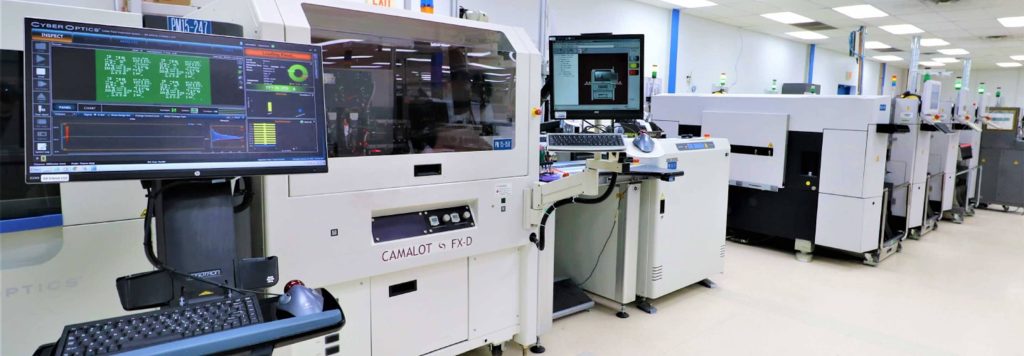
A successful prototype does not always mean a product is ready for full production. Before manufacturing ramps up, OEMs need to know that the design, materials, tooling, suppliers, and test strategy are prepared for repeatable production. Spartronics’ manufacturing readiness services help evaluate those areas before problems become more expensive to correct.
This stage creates an important connection between product development and manufacturing. It gives engineering and production teams a chance to identify issues while there is still flexibility to make changes.
Why Does Lifecycle Management Matter During Production?
Once production begins, teams need to keep the BOM, drawings, work instructions, test requirements, and product configuration aligned. Supply-chain changes can make that more difficult. A component may become unavailable, or a supplier may change. Spartronics supports OEMs with supply chain management that includes component engineering, risk analysis, and supplier management.
Configuration control is also important. NIST defines configuration management as maintaining consistency between a product’s physical attributes and its requirements, design, and operational information throughout its life. That history helps teams understand what changed, when it changed, and which products are affected.
Why Does the Product Lifecycle Continue After Shipment?
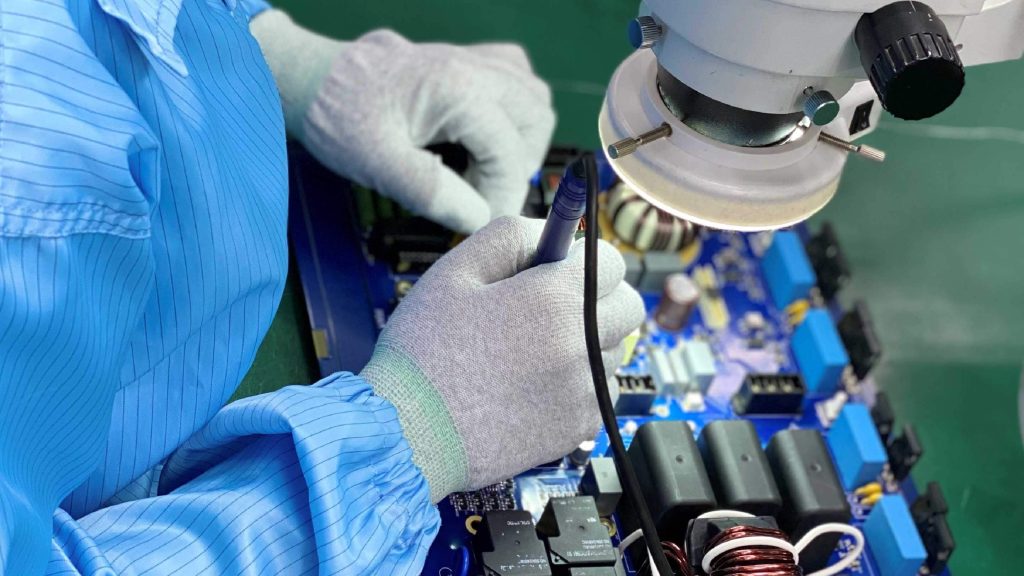
For long-life electronics, shipment is not the end of the product lifecycle. Products in the field may need repair, refurbishment, spare parts, engineering updates, or support for obsolete components. Spartronics’ aftermarket solutions include repair, refurbishment, sustaining engineering, spare-parts support, and obsolescence management.
Connecting aftermarket activity with engineering and manufacturing gives OEMs better visibility into recurring problems and long-term support needs.
Support the Full Product Lifecycle With Spartronics
Product lifecycle management helps OEMs maintain continuity as complex electronics move from development into production and eventually aftermarket support. Spartronics supports OEMs with engineering, manufacturing readiness, contract manufacturing, supply-chain management, and aftermarket services. Explore our electronics manufacturing services or contact Spartronics to discuss support for your product lifecycle.