A product can perform exactly as intended during development and still run into problems when it reaches the manufacturing floor. A component may have an unacceptable lead time. An assembly that worked during prototyping may be difficult to build repeatedly. Test access may be limited, tooling may not be ready, or production documentation may still have gaps.
Key Takeaways
- A manufacturing readiness review evaluates whether a product and its manufacturing process are prepared for production.
- MRRs can identify risks involving design, components, tooling, testing, documentation, and suppliers.
- Finding these issues early can reduce rework, delays, and supply-chain problems.
- Manufacturing readiness is especially important for complex and highly regulated products.
- OEMs benefit from involving engineering, manufacturing, quality and supply-chain teams before full production begins.
A manufacturing readiness review (MRR) helps OEMs identify those problems before moving further into production. For companies developing complex electronic and electromechanical products, manufacturing readiness means more than confirming that a design works. It means determining whether the product can be built consistently, tested effectively, sourced reliably, and documented correctly at the required scale.
What Is a Manufacturing Readiness Review?
A manufacturing readiness review is a structured evaluation of the factors that determine whether a product is ready to move into the next stage of manufacturing. The exact process varies depending on the product, industry, and level of manufacturing complexity. The goal remains the same: identify manufacturing risks while there is still time to address them. The U.S. Department of Defense uses Manufacturing Readiness Levels to assess the maturity and risk of manufacturing technologies, products, and processes.
An MRR should not necessarily be treated as one final meeting before production. Manufacturing readiness can be reviewed throughout development as the design, supply chain, and production process become more defined. Spartronics incorporates these considerations into its manufacturing readiness and product launch services, helping OEMs evaluate designs, components, fabrication processes, process controls, and test strategies before production ramps up.
What Does a Manufacturing Readiness Review Evaluate?
An effective MRR is typically cross-functional because manufacturing problems can originate in engineering, sourcing, quality, testing, or production.
Product Design
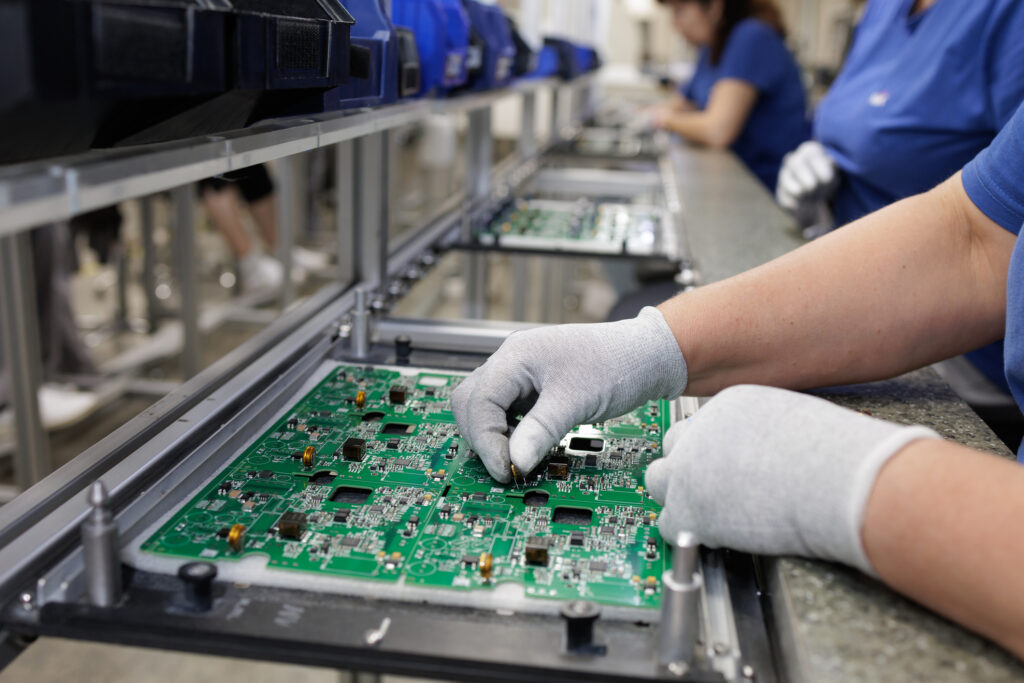
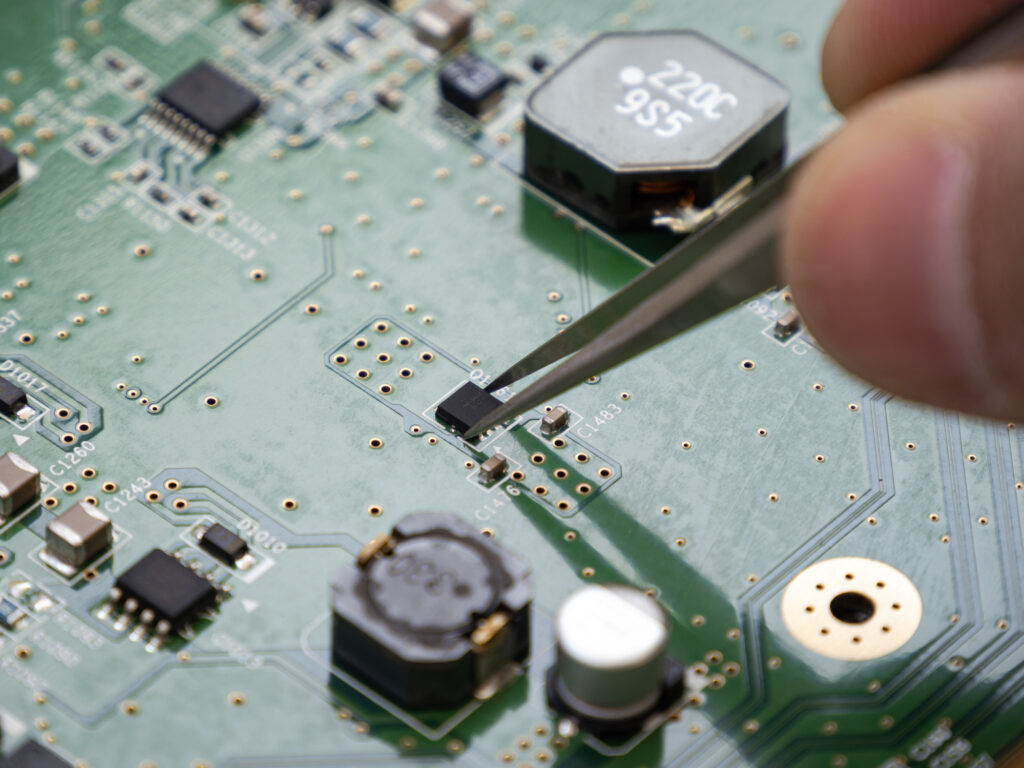
A prototype may prove that a product works, but that does not automatically mean it is ready for efficient, repeatable manufacturing. Teams may evaluate assembly complexity, component access, tolerances, thermal concerns, inspection requirements, and other design features that could make production more difficult.
Bringing manufacturing expertise into development through value-added engineering support can help identify manufacturability issues before they require more expensive changes.
Bill of Materials and Supply Chain
The bill of materials also needs close review.
Questions may include:
- Are critical components readily available?
- Are there long-lead-time or single-source parts?
- Are any components approaching obsolescence?
- Have suppliers been qualified?
- Are acceptable alternatives available?
These issues can affect schedules even when the product design itself is complete. Spartronics’ supply chain management services include component engineering, supplier management, risk analysis, and Design for Supply Chain strategies that can help OEMs identify sourcing risks earlier.
Manufacturing Processes and Tooling
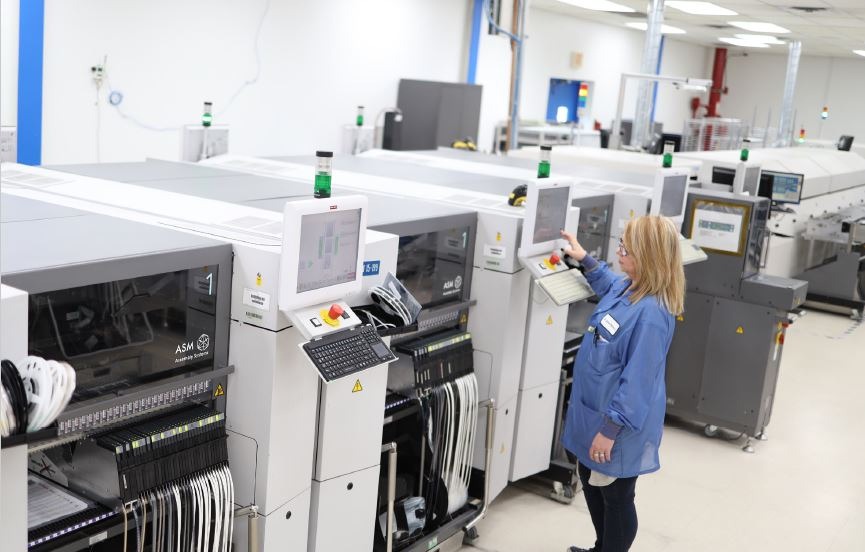
An MRR also examines how the product will move through production. Teams may review assembly instructions, equipment requirements, tooling, fixtures, inspection points, process controls, and production flow. A process that works for 10 prototype units may become a serious bottleneck when production increases. Manufacturing readiness helps determine whether those processes are repeatable and scalable before they are put under greater pressure.
Testing and Quality
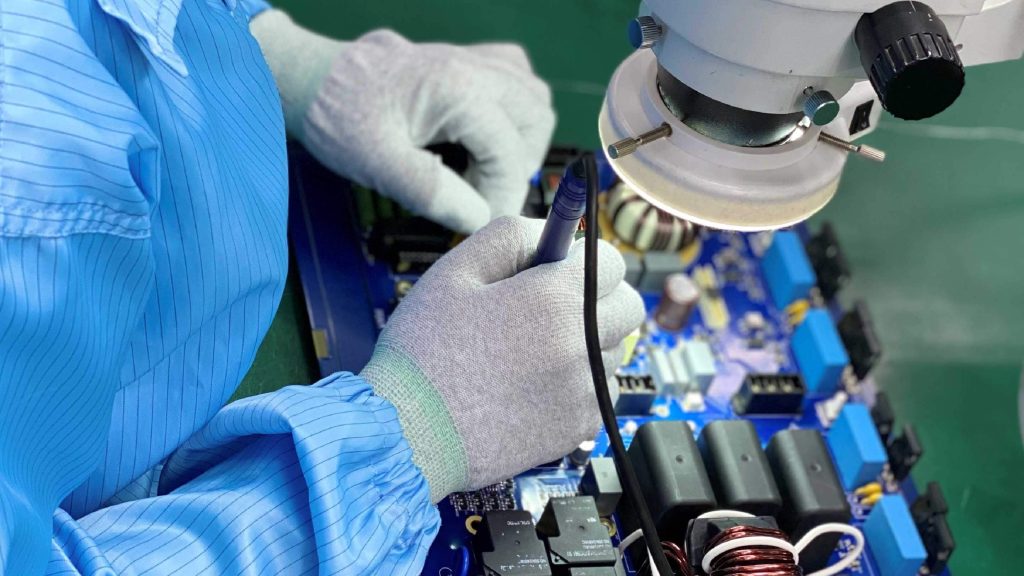
Testing should also be established before production volume increases. The review may consider what needs to be tested, which equipment is required, where testing occurs, and how failures will be tracked.
For products in regulated or high-reliability industries, documentation and traceability are equally important. Drawings, work instructions, inspection requirements, revision controls, and quality records all need to match the released product. Spartronics integrates testing and documentation into its broader quality and compliance processes.
Why Does Manufacturing Readiness Matter for OEMs?
The biggest advantage is that problems are usually easier to solve before production scales. Consider finding out shortly before launch that a critical component has an extended lead time. Another product may reach pilot production before the team discovers a connector is difficult to access during testing. The assembly may also require a time-consuming manual adjustment.
These problems may not mean the product was poorly designed. They mean the manufacturing requirements were not fully resolved. A manufacturing readiness review gives teams an opportunity to identify those gaps earlier.
A strong review can help OEMs:
- Reduce late-stage design changes
- Identify supply-chain risks
- Improve manufacturing consistency
- Prepare tooling and fixtures in advance
- Establish testing requirements earlier
- Improve production cost and schedule visibility
- Maintain better documentation and configuration control
Manufacturing readiness is particularly important in high-reliability industries because a production problem may affect much more than cost. It can also influence product quality, compliance, and delivery commitments.
What Is the Difference Between an MRR and a Production Readiness Review?
Manufacturing readiness reviews and production readiness reviews are closely related, and organizations may use the terms differently. In general, an MRR focuses on understanding and reducing manufacturing risk as the product moves toward production. A production readiness review is often used closer to launch to confirm that the organization has the resources, documentation, equipment, and processes required for the planned production phase.
NASA’s guidance for a production readiness review covers several key areas. These include production documentation, manufacturing issues, equipment and resources, risk mitigation, and BOM availability. For OEMs, the terminology matters less than making sure these questions are answered before a product is expected to scale.
When Should an OEM Conduct a Manufacturing Readiness Review?
Manufacturing readiness should begin before the final prototype is complete. Waiting until the design is effectively locked can make problems harder and more expensive to correct. Manufacturing and supply-chain input is most valuable while teams still have flexibility.
Reviews can become more detailed as a product moves through development, prototyping, new product introduction, and pilot production. Early reviews may focus on broad sourcing and manufacturability risks, while later reviews can examine specific suppliers, tooling, testing and production processes. This makes manufacturing readiness an ongoing process rather than a final checklist.
How Can a Manufacturing Partner Help?
An experienced electronics manufacturing partner looks at a product differently from the development team. The OEM knows what the product needs to accomplish. The manufacturing partner must determine how to build it repeatedly while controlling quality, supply, testing, cost, and schedule.
Bringing those perspectives together earlier can uncover risks that may otherwise remain hidden until production begins. Spartronics supports OEMs from product development through electronics contract manufacturing and production ramp-up. Its teams can evaluate designs, materials, supply chains, tooling, production processes, and test strategies as products move toward scalable manufacturing.
Prepare for Production With Spartronics
For OEMs developing complex electronics and electromechanical systems, manufacturing readiness helps turn a working product design into a repeatable production process.
Spartronics works with OEMs across aerospace, defense, space, medical devices, life sciences, and instrumentation and control markets. We help identify manufacturing risks and prepare products for production. Learn more about Spartronics’ manufacturing readiness services or contact Spartronics to discuss your next product launch.